Overview:
·
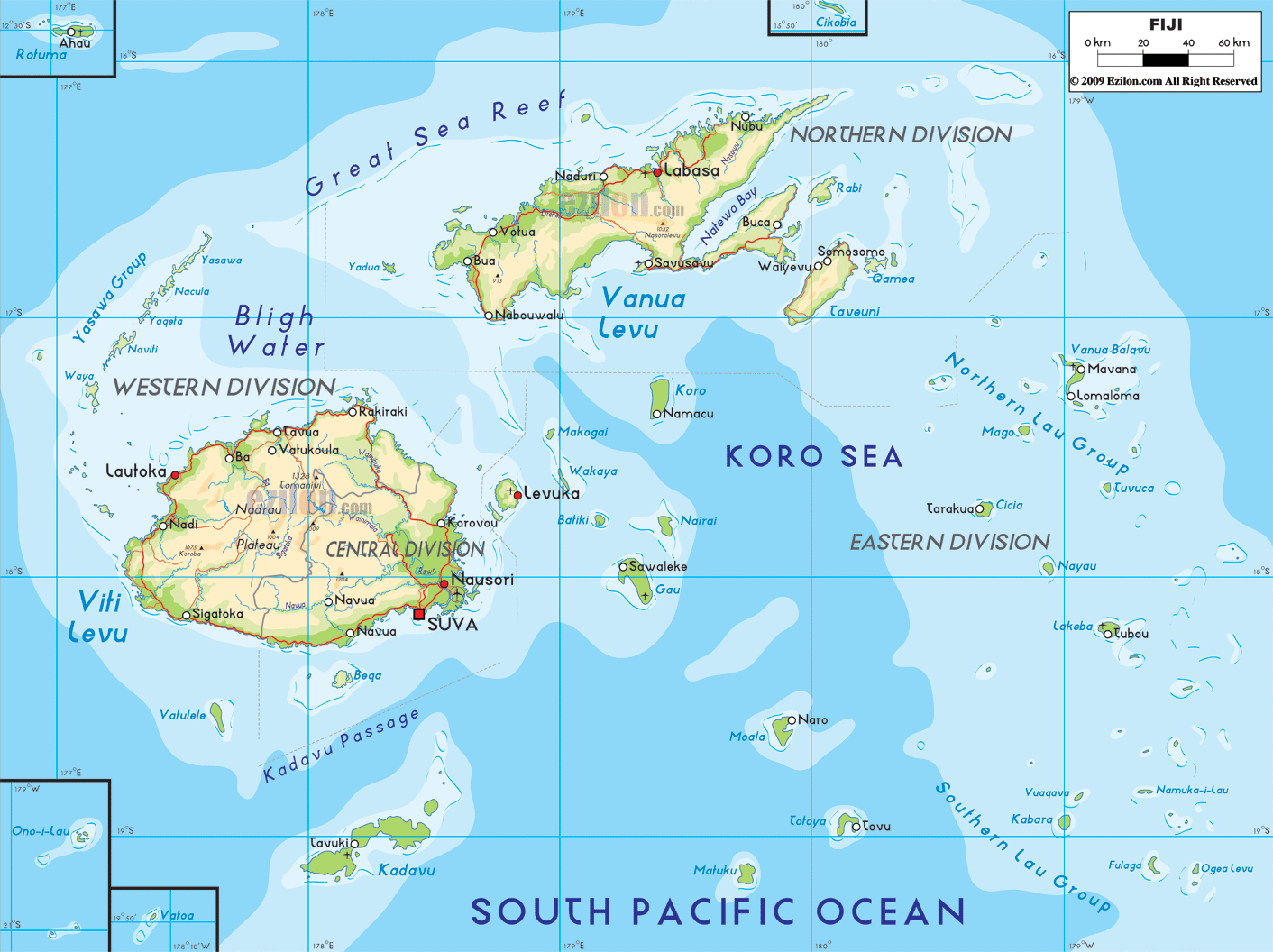
Fiji is located directly north of New Zealand
(About 1,612 Miles North)
·
In the southern tropics
·
In total, Fiji is made up of about 11, 418 sq.
miles of land.
·
The two largest, main islands make up 85% of the
total land mass.
·
Much of Fiji’s biodiversity is unique to Fiji
and not found anywhere else in the world.
·
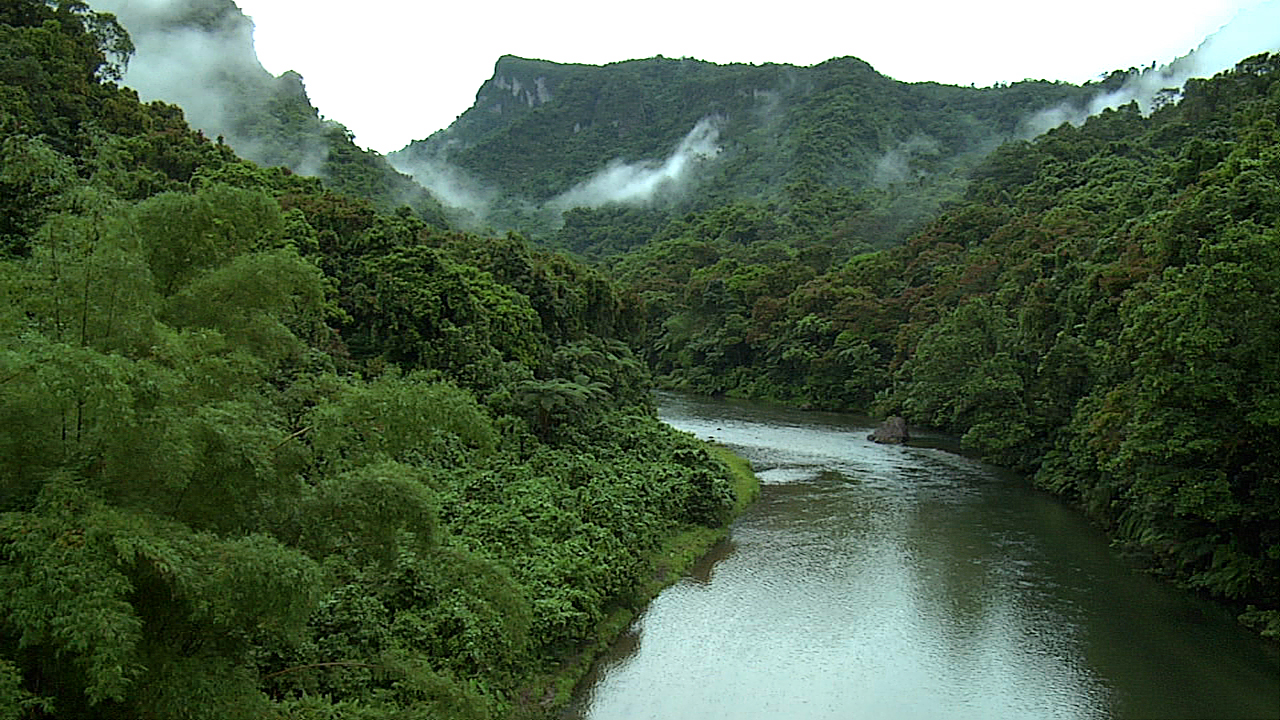
Fiji’s forests cover over 50% of all the land.
·
Fiji’s
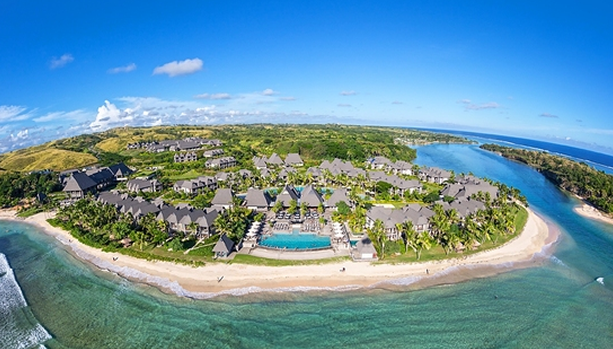
primary source of income is from tourism, which was estimated at about $170
million per year in 2010.
3) Historical State of Fiji Tropical Forests:
Fiji consists of about 300 islands,
consisting of rugged mountainous interior and coastal plains. These high
interior mountains and seasonal precipitation cause a dry side of Fiji. These tropics had its widest distribution
about 18,000 years ago during the glacial maximum. During this time the climate
was drier and the sea level was nearly 100 meters lower than it is today. They were healthier before the arrival of
humans.
4) Current Human Impacts on Fiji Tropical Forests:
The tropic dry forests in Fiji have
been disturbed by people ever since the settlement of the lands beginning with
the Polynesians and Melanesians thousands of years ago. Significant areas of tropical dry forest were
converted to savannas due to burning. European contact began to take a toll on
this land and they introduced non-native tree species that further degraded the
already sensitive land. In addition to introducing new species, the lowlands on
the dry side of Fiji were converted to sugar cane plantations in the 19th
century. English colonists brought laborers from southern India to cultivate
these large plantations. In addition to human population, grazing animals have
caused a decline in populations of species such as native lizards and ground
nesting birds. The European conquests
of these lands eventually lead it to be classified as “endangered” territory
today. The major threats to the
ecosystem include pollution from agricultural and industrial wastes,
urbanization, agricultural development and species introduction.
5) Likely Future Prospects for Fiji Tropical Forests Based on Human
Impacts:
There are primary issues being
addressed within the ecosystem. First off, the Fiji Crested Iguana is an
endangered species within the environment. This Iguana is crucial to the
ecosystem because they have a major impact on insects and plant life. Their
absence would create instability within the region. The island has been declared a sanctuary to
help preserve this species and others that include native food trees. The
government has made an effort to rid the Leucaena trees, which are non-native
and threatening to the ecosystem. Strict environment management and monitoring
plans have been developed that regulate logging, quarry and sewage treatment.
Furthermore, there has been enforcement of the Environment Management Act
enacted in 2005 which issued a notification to all commercial buildings and
industries a need to acquire a permit to generate waste. This has been a large
effort to preserve Fiji’s tropical forest ecosystem.
6) Things to Improve Human Impact on the Ecosystem
I believe it is essential to limit
development on the islands of Fiji. We cannot let the tourism industry take
over the entire lands of Fiji, which would ultimately destroy the pristine
lands of Fiji. I think actions noted above should continue to be in place such
as the Environment Management Act and these regulations should be strictly
enforced. It should be a privilege to be permitted to operate a commercial or
industrial business on the islands of Fiji as it is already an endangered
ecosystem.
Sources: